
The modern workplace is undergoing a significant transition. As hybrid work becomes the new normal, organizations are reconsidering how their workplaces operate and how employees interact with their surroundings. This transition has compelled office furniture manufactures to innovate and develop solutions that promote flexibility, comfort, and productivity in both remote and in-office environments.
The modern workplace is undergoing a significant transition. As hybrid work becomes the new normal, organizations are reconsidering how their workplaces operate and how employees interact with their surroundings. This transition has compelled office furniture manufactures to innovate and develop solutions that promote flexibility, comfort, and productivity in both remote and in-office environments.
Hybrid work models combine the benefits of remote and on-site work, allowing employees to spend their time between home and the office. This has created a desire for versatile furniture that can fulfill numerous functions. Offices are no longer just rows of desks; they are collaborative hubs, meeting areas, and adaptable workstations that can fit shifting needs.
To satisfy these changing demands, manufacturers are focusing on modular office furniture that is easily reconfigurable. Desks, partitions, and seating configurations are intended to be portable and adaptable. This adaptability enables firms to swiftly transform locations for meetings, team collaborations, and individual work without making significant investments.
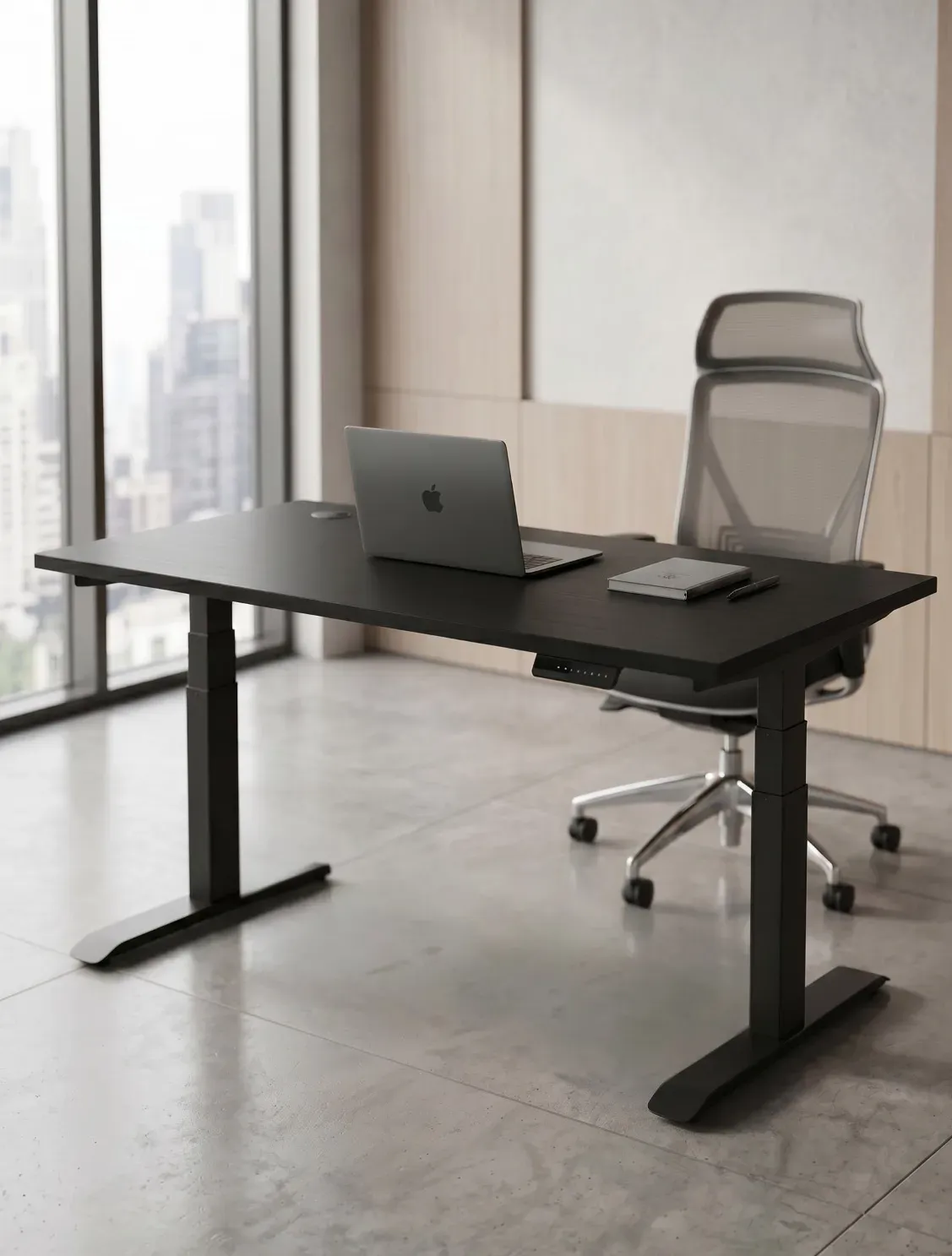
Employee health and comfort have become important priorities. Height-adjustable workstations, ergonomic seats, and supportive accessories are becoming standard components of modern office layouts. These solutions serve to decrease physical strain and improve posture, particularly for employees who work from home and at the office.
Another major trend influencing office furniture is technological integration. Built-in charging outlets, cable management systems, and smart desks are becoming more prevalent. These advancements enable continuous connectivity and increase productivity in hybrid work situations.
A well-designed workspace improves efficiency while also reflecting a company's brand identity. As a leading work space design company, Desqoo understands the importance of combining functionality with aesthetics. Modern office furniture is intended to improve space use while keeping a clean, professional, and stimulating atmosphere.
Sustainability is also a driving force in the sector. To limit their environmental impact, manufacturers use eco-friendly products and employ responsible manufacturing practices. This is consistent with the growing preference for green workplaces among employers and employees alike.
The shift to hybrid workspaces has altered the function of office furniture. Manufacturers are no longer simply providing desks and chairs; they are developing dynamic solutions that promote flexibility, well-being, and collaboration. Desqoo remains at the forefront of transforming modern workplaces into efficient and adaptive environments, thanks to creative ideas and a forward-thinking strategy.