
Our workspaces have changed from basic configurations to tech-driven, productivity-boosting spaces in the era of remote and hybrid work. The transition from conventional, fixed-height desks to contemporary, smart desks is one of the biggest changes. But how do you choose between a smart desk and a traditional desk when there are so many options available? Each has special advantages and fits various lifestyles, budgets, and working styles. Let's examine their differences and assist you in selecting the one that best suits your home office.
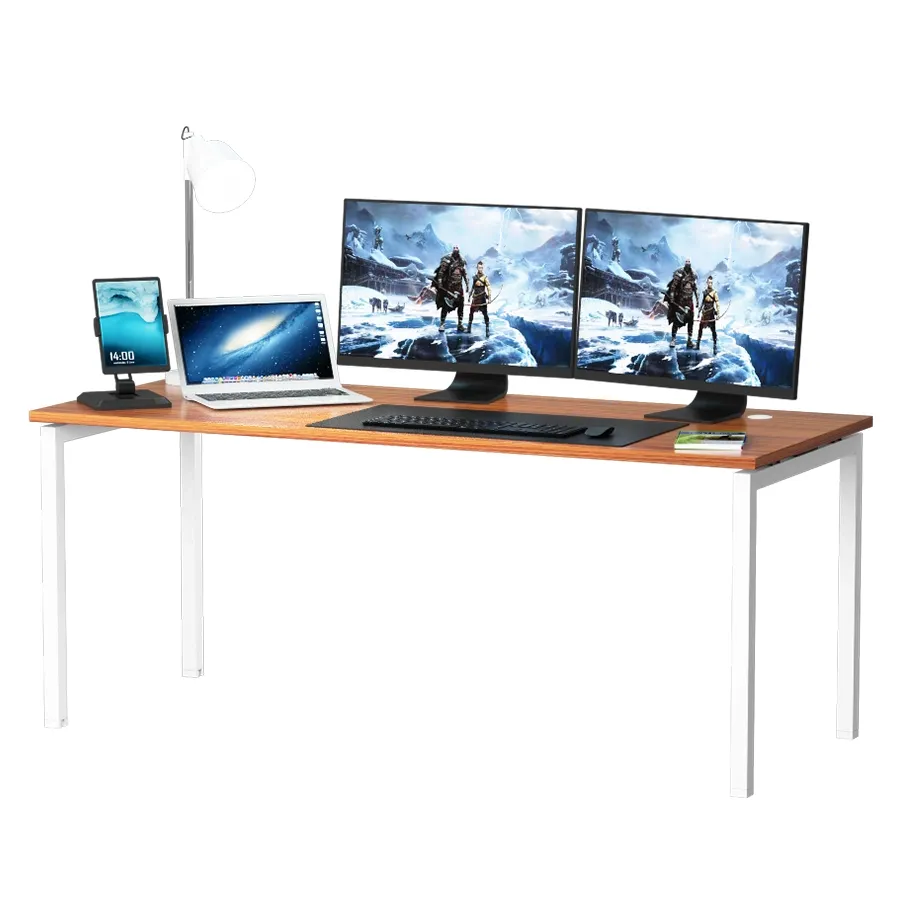
A smart desk is a cutting-edge workstation made to improve productivity, comfort, and health. With the touch of a button, you can effortlessly transition between sitting and standing thanks to these desks' frequent motorized height adjustment features.
You can save your preferred heights by using the memory presets that many smart desks have. Additional features include anti-collision sensors, wireless charging pads, USB charging ports, app control, and even health alerts that motivate you to move throughout the day.
To put it briefly, smart desks are ergonomic solutions designed to enhance your physical well-being and contemporary workflow, not just furniture.
A Classic Desk: What Is It?
On the other hand, a classic desk stands for dependability, simplicity, and classic style. It's the conventional work surface that most of us used growing up, which is a solid, fixed-height table composed of metal, laminate, or wood.
Even though they lack high-tech features, traditional desks are frequently less expensive, more reliable, and require less upkeep. They are perfect for professionals who want a neat workstation with lots of space for documents, books, or accessories because many have built-in drawers or cabinets for storage.
Additionally, classic desks are available in a variety of styles, such as minimalist metal frames or vintage wooden finishes, so they can be easily incorporated into any office or home decor.
A Smart Desk's Advantages
The ergonomic flexibility of a smart desk is its greatest benefit. Prolonged sitting can cause fatigue, neck strain, and back pain, all of which have an impact on long-term health and productivity. By allowing you to stand or sit as needed throughout the day, a smart desk helps you with posture and circulation.
Additionally, smart desks promote increased energy and focus. By switching between sitting and standing, you can keep your mind and body engaged and avoid the afternoon slump that many remote workers encounter.
Convenience is yet another noteworthy feature. Numerous smart desks come equipped with built-in charging stations, voice or app control, and one-touch height adjustments, among other technological integrations. These minor adjustments improve the overall workspace experience, streamline daily tasks, and lessen clutter.
Although smart desks are more expensive, for people who spend a lot of time at their desks, the long-term advantages—better comfort, health, and productivity—often exceed the initial investment.
The Advantages of a Traditional Desk
Traditional desks are still in demand because they are affordable, sturdy, and useful. With little care, they can last for years and don't need electricity or upkeep. They are naturally stable due to their fixed structure, particularly for users of large monitors or numerous screens.
A traditional desk might be just what you need if you like to work in a seated, orderly, and distraction-free manner. For people who manage several files, notebooks, or creative supplies, these desks provide an abundance of surface area and storage.
The aesthetic versatility is an additional benefit. Classic desks are available in a plethora of styles, ranging from rich wooden finishes that lend warmth and elegance to your workspace to contemporary minimalist designs. The simplicity of a traditional desk—just you, your work, and a cozy chair—is what appeals to many professionals.
Important Variations in Everyday Use
In terms of daily functionality, smart desks and traditional desks accommodate quite different work habits.
A smart desk can lessen the physical strain of sitting all day if your job requires you to spend a lot of time in front of a computer, participate in online meetings, or conduct creative sessions that call for flexibility. It allows you to remain active, stretch, and adjust your posture without having to leave your workstation.
A traditional desk, on the other hand, offers a more stable, distraction-free setting if you prefer to work in a seated position and appreciate order and simplicity. Additionally, it's simpler to maintain and frequently provides more space for accessories and organization.
In the end, either desk type can help you have a productive day; it just depends on what works best for your workflow.
Selecting the Ideal Desk for Yourself
To assist you in making the best choice, consider the following questions:
How many hours a day do you spend working at your desk?
A smart desk might be a good investment for your health if you spend more than 6 to 8 hours a day using it.
Do other people share your workspace?
Because of their height-adjustable design, smart desks are ideal for multi-user settings.
Is the budget an important consideration?
For those who prefer quality without the high-tech extras, classic desks are more reasonably priced and provide great value.
Do you like living a life that is enhanced by technology?
A smart desk will look great with your setup if you enjoy automation, streamlined design, and integrated features.
Both smart and classic desks have their strengths — and neither is inherently better than the other. It all comes down to your personal needs, work style, and long-term goals.
If you value flexibility, ergonomics, and technology, a smart desk can transform your workday into a healthier, more dynamic experience.
If you prefer simplicity, stability, and timeless design, a classic desk remains a reliable and stylish choice that never goes out of fashion.
Whichever you choose, the key is to create a workspace that supports your comfort, focus, and creativity — because the right desk isn’t just where you work, it’s where you build your best ideas.